
ASSEMBLY BILL A101
Frequently ASKED QUESTIONS
Will passing A101 criminalize all drunk sex?
NO. We assure you this bill only targets one type of “drunk sex” - the predatory type where the victim is not simply drunk but exploited. This is case where a predator sees the victim is in a helpless state and recognizes they are so out of it they won’t likely put up a fight or remember. This isn’t someone who is buzzed, or tipsy, or loose. This is sex with someone who is so drunk or so under the influence that they can no longer function. To be clear - that is rape. When you can’t function, you cannot give consent. Any time someone has sex without someone who can’t consent - that is rape and in New York we’re about to recognize that along with the other 27 states that understand the harm done by this scenario.
What if I can’t tell the person is drunk - Will I be convicted of rape?
NO. The language in A101 requires two elements in order for a conviction to land. First, the victim needs to not just be so drunk or drugged they can no longer function, but there needs to be observable evidence of this. Claims alone won’t stand - there MUST BE PROOF. And second, the prosecution must prove that the bad actor “knew or should have known.” This means if it cannot be proven that the defendant (and anyone else who saw the victim) was fully aware - then the required guilty mind element cannot be proven. The legal term for this is “mens rea.” Not being able to prove this means juries will likely pass the“beyond a reasonable doubt” threshold.
What if someone regrets they cheated, can they weaponize this charge to save face?
NO. As mentioned above there are two necessary elements to be proven. No proof means no conviction. Regret is not proof. Observable evidence is required for the jury that demonstrates the victim was not simply drunk but unable to function. Observable evidence is required for the jury to decide if the actor knew or should have known not to exploit the victim. Drunken infidelity or any other reason for regret does not delete the prosecutorial burden of proof.
Will passing A101 open the floodgates to incarceration and wrongful conviction of Black and Brown boys?
NO. Take a look a below and reach out with questions. The chart shows five decades of data from the Innocence Project on Sex Crimes across states like New York who successfully closed the Voluntary Intoxication Exclusion. These states are similar in that they all have large black populations and influential Black Democratic Legislative Caucuses. There is no empirical evidence demonstrating any pattern of wrongful arrests of Black and Brown boys following passage of other state laws that resolved the Voluntary Intoxication Exclusion. We take due process and the avoidance of wrongful convictions very seriously. Good news is that empirical evidence shows when bills like A101 pass due process is protected and survivor justice is provided.
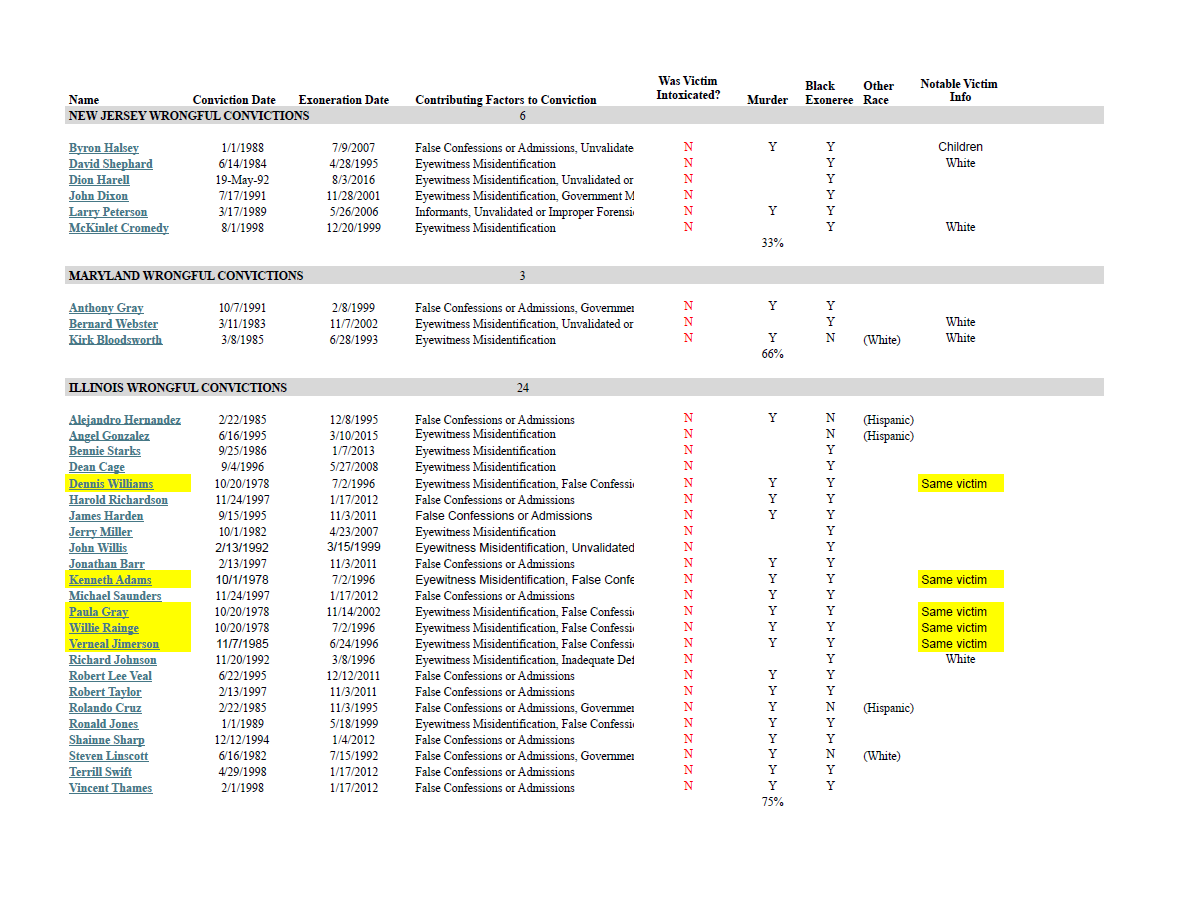
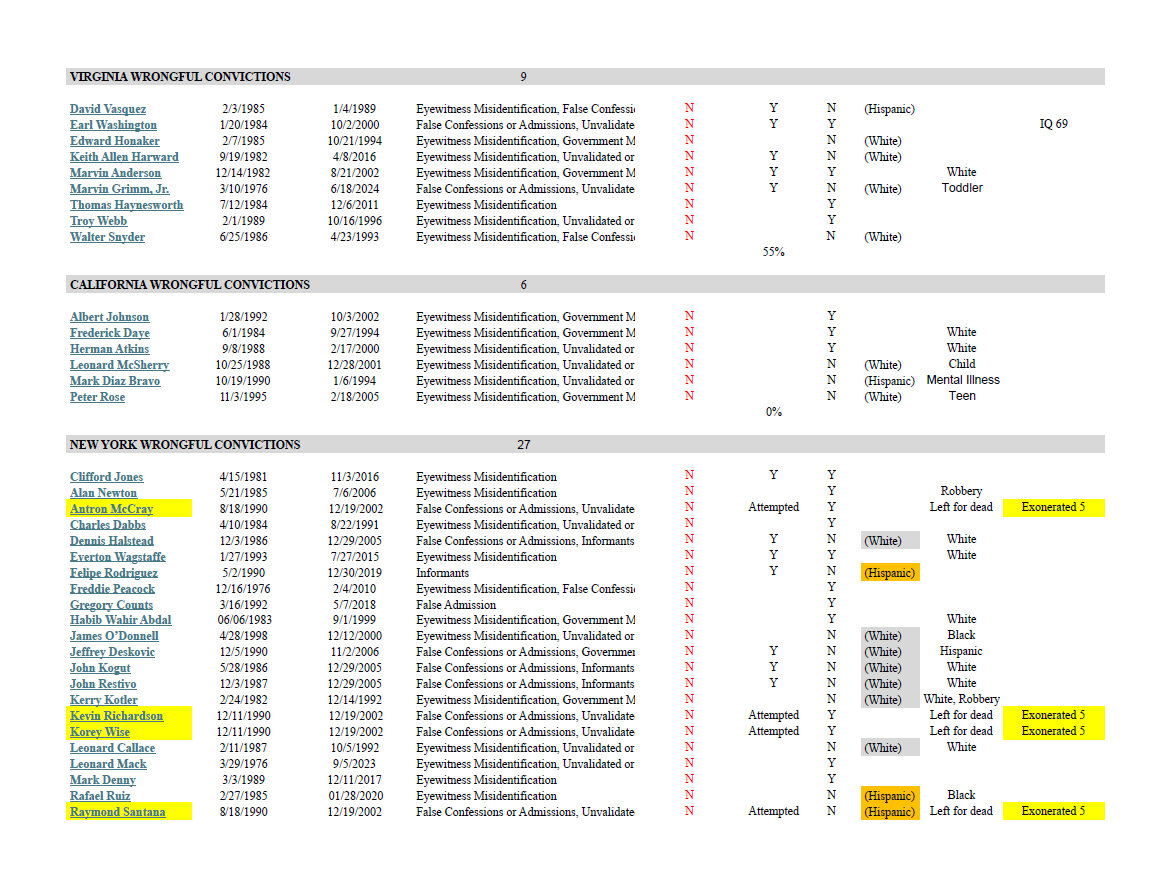
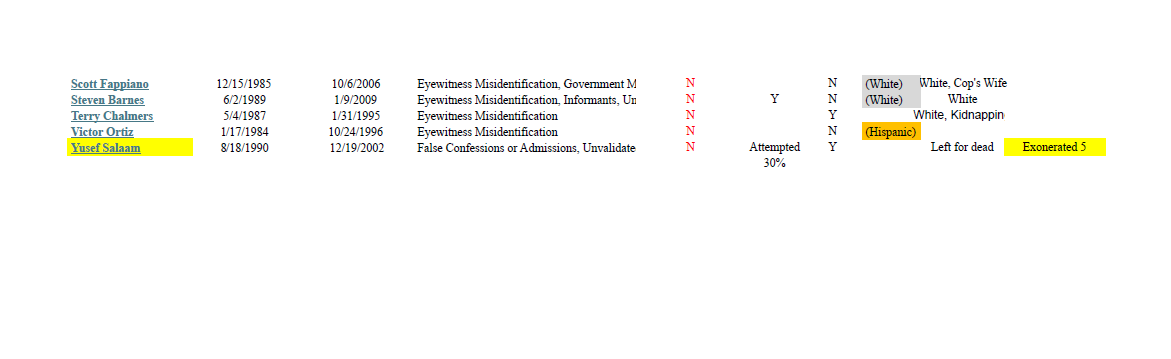
In addition to the Innocence Project, look below at the data from the National Registry of Exonerations. With convictions daing back as far as 114 years ago, we see again no empirical evidence to support the fear of Black and Brown boys being arrested en masse.
Lastly, it is worth noting that NBC did a year-long investigative reporting on what variables make the biggest differences.
Learn more about the Justice Without Exclusion Coalition here!
And reach out to help support or if you have any questions
Quisque iaculis facilisis lacinia. Mauris euismod pellentesque tellus sit amet mollis.